๐Ÿ  Homeโ„น๏ธ About Us๐Ÿ”ง All Servicesโ€ข Slab Foundation Repairโ€ข Pier & Beam Repairโ€ข Foundation Inspectionโ€ข Crack Repairโ€ข House Levelingโ€ข Drainage & Soil Moisture๐Ÿ–ผ๏ธ Galleryโญ Reviews๐Ÿ“ Blog๐Ÿ“ Areas Servedโ“ FAQ๐Ÿ“ž Contact๐Ÿ“‹ Get Free Quote

Slab Foundation Repair in Killeen

Get connected with local pros who evaluate and repair slab foundations common throughout the Killeen area.

๐Ÿ“‹ Get Free Quote๐Ÿ“ž (254) 345-4337

Slab Foundation Repair Overview

Slab-on-grade construction is the predominant foundation type in Killeen and the surrounding communities that grew rapidly to support the population near Fort Hood. A concrete slab sits directly on โ€” or just above โ€” the soil, which means changes in that soil directly affect the slab. In Central Texas, where expansive clay soils and limestone-underlain terrain both appear within Bell County, slabs can heave, settle, or crack in ways that are not always obvious from the surface.

Before requesting a quote, walk through your home and note any sloping floors (a marble or ball placed on the floor can reveal subtle tilts), doors that drag or gap at the corners, and any visible cracks on the slab's edge where it meets the exterior. Photograph what you find. The more detail you provide when submitting your request, the better positioned local professionals will be to give you an accurate assessment.

  • Slab settlement and heave caused by soil moisture changes are the most common issues in this region
  • Diagonal cracks at door corners and window corners are a frequent early indicator worth investigating
  • Ask any pro whether mudjacking, foam lifting, or steel pier installation is being proposed and why
  • Find out whether the proposed repair addresses the symptom, the cause, or both
  • Ask whether a post-repair moisture management plan is recommended for your soil type
Get Free Quote โ†’
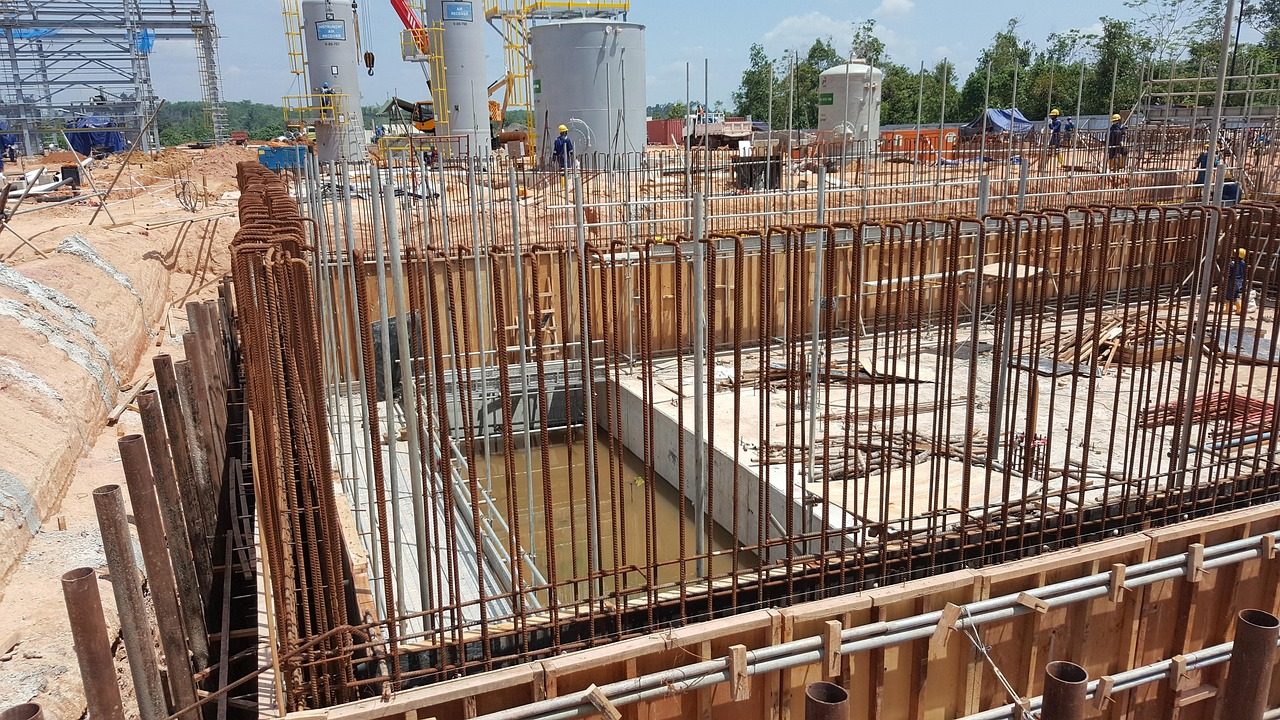
Slab Foundation Repair in Killeen, TX (sample photo)Sample photo

Slab Foundation Repair FAQ

What causes a slab to crack or settle in Central Texas?

The most common cause is movement in the soil beneath the slab. Expansive clay soils โ€” prevalent toward the eastern part of Bell County โ€” swell when they absorb water and shrink when they dry out, creating upward and downward pressure. In areas over limestone, thinner soil layers may shift or erode. Poor drainage that allows water to accumulate under part of the slab, or drought conditions that dry out soil unevenly, can cause one section of the slab to move more than another, resulting in cracks and an unlevel surface.

How do I know if my slab needs repair or just monitoring?

A professional evaluation is the only reliable answer. As a general guide, very fine hairline cracks that have not changed over time are often cosmetic, while cracks that are widening, appear suddenly, or come with other symptoms such as sticking doors, sloping floors, or gaps at walls are more likely to indicate active movement. If you are unsure, document and photograph what you see over a few weeks and bring that record to the evaluation.

What questions should I ask a slab repair pro before agreeing to work?

Ask what method they are recommending and why it is appropriate for your soil conditions. Ask how many support points or piers are proposed and where they will be placed. Find out what the finished slab elevation will look like and how disruption to your interior (flooring, cabinets, plumbing) will be managed. Ask whether a permit is required for the work in your municipality and who is responsible for obtaining it.

Other Services

Where We Help

KilleenHarker HeightsCopperas CoveBeltonTempleNolanvilleSaladoLampasasAll areas โ†’

Ready for Slab Foundation Repair?

Request a free quote today.