Connect with local pros who assess and address foundation cracks in slab, brick, and concrete across the Killeen area.
Cracks in a foundation or the structures above it are one of the most common reasons homeowners begin looking for professional help. The challenge is that not all cracks are equal: some are superficial, some are actively growing, and some are symptoms of an underlying soil or drainage issue that needs to be addressed before any crack repair will hold. Understanding which type you are dealing with requires a professional eye.
Before requesting a quote, document your cracks carefully. Use a coin or ruler in the photograph to show scale. Note the direction of the crack โ vertical, horizontal, or diagonal โ as this can indicate different types of movement. Mark the ends of active cracks with a pencil and date the mark so you and any pro you consult can tell whether the crack has grown since you first noticed it. Interior drywall cracks and exterior brick or mortar cracks may point to the same underlying issue, so document both.
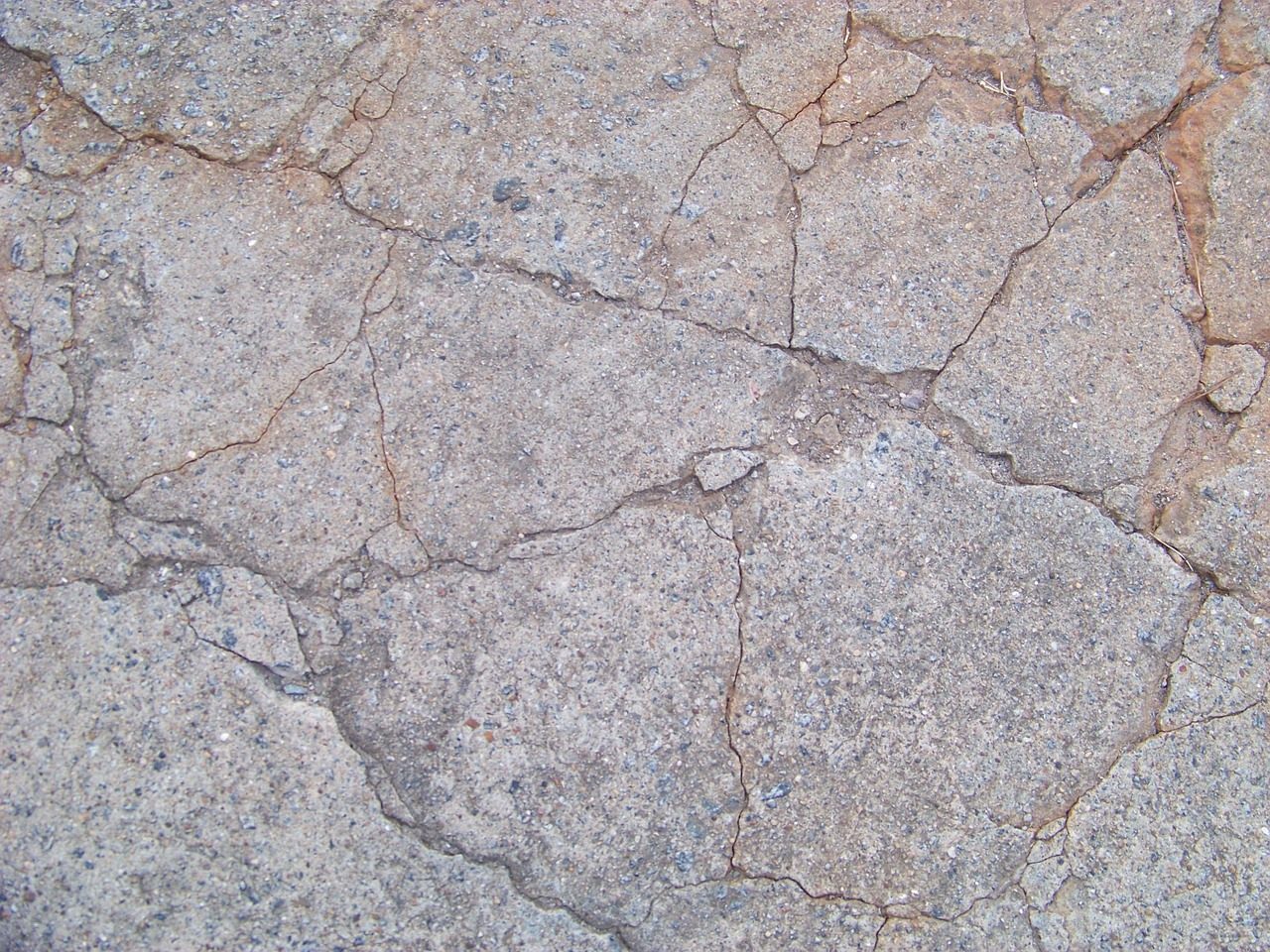
Sample photoThe orientation of a crack can suggest the type of force that caused it, though a proper evaluation is always needed to confirm. Vertical cracks in concrete often suggest direct downward settlement or tension. Diagonal cracks โ especially at the corners of doors and windows โ frequently indicate differential settlement where one part of the foundation has moved relative to another. Horizontal cracks in basement or retaining walls may suggest lateral soil pressure. Stair-step cracks following mortar joints in brick are a common sign of differential movement in slab foundations. A professional uses crack direction alongside other observations to form a complete picture.
Generally, most professionals recommend identifying and addressing the cause of movement before or alongside crack repair, rather than after. Filling a crack without addressing the reason the crack formed โ such as soil settlement, expansive clay movement, or a drainage problem โ often means the crack will reopen as the underlying condition continues. Ask any pro you speak with to explain whether they are recommending a repair to the crack itself, a repair to the foundation, or both, and in what order.
Be prepared to describe where the crack is located (exterior or interior, which wall or area of the slab), how long it has been there, and whether it has changed in size or direction since you first noticed it. Note any other symptoms in the home โ sticking doors, uneven floors, gaps at baseboards โ that appeared around the same time or in the same area. Photographs with a scale reference are valuable. Also note whether there is a history of drainage problems, plumbing leaks, or nearby large trees, as these are commonly related factors.
Get connected with local pros who evaluate and repair slab foundations common throughout the Killeen area.
Learn moreRequest quotes from local pros experienced in evaluating and repairing pier and beam foundations across Central Texas.
Learn moreStart with a professional evaluation โ request a quote to connect with local foundation inspection pros in Bell County.
Learn moreRequest quotes from local pros who assess and address unlevel homes on both slab and pier and beam foundations.
Learn moreConnect with local pros who assess drainage and soil moisture conditions affecting foundations in Bell County.
Learn more